
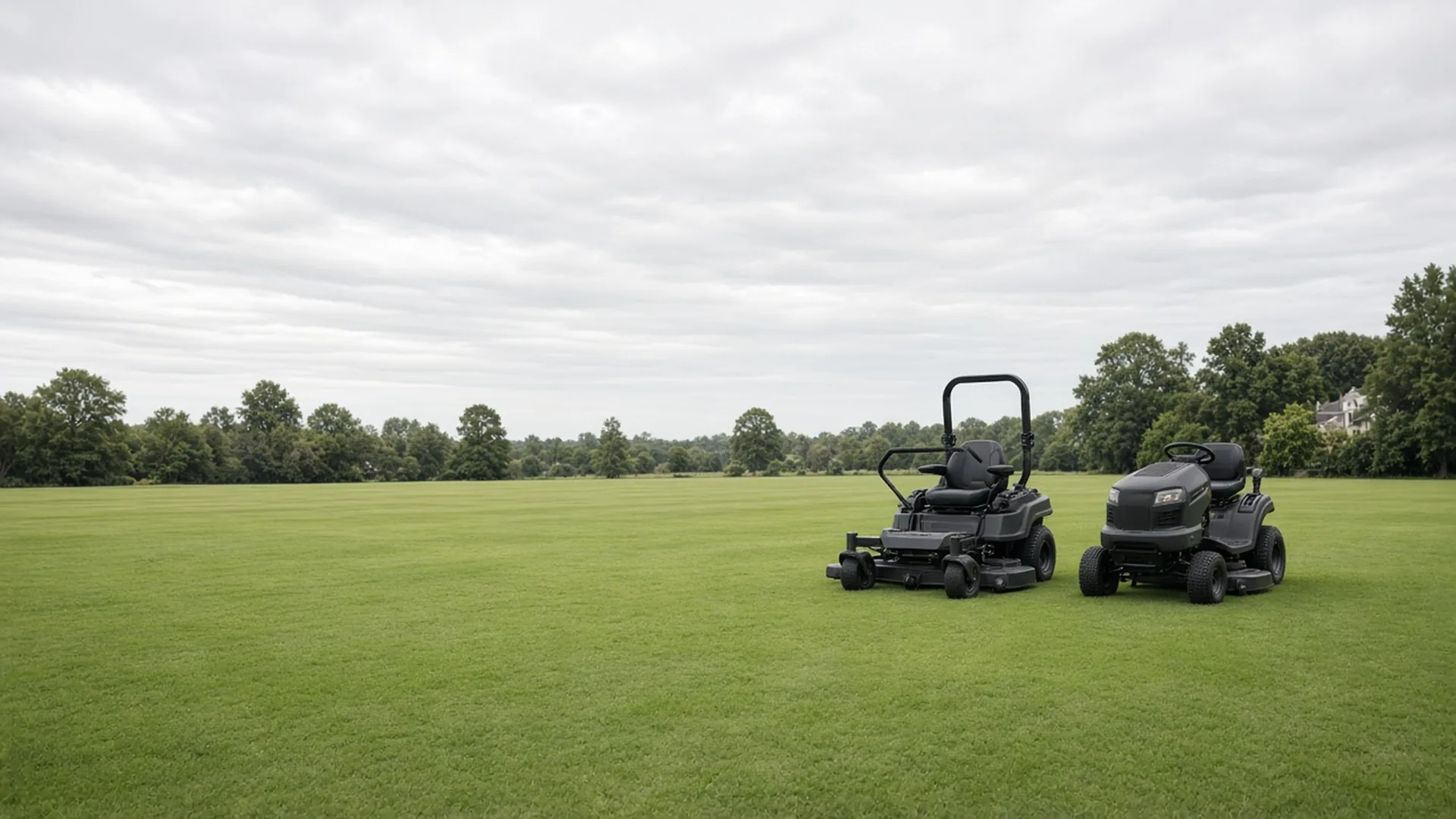
Zero turn vs lawn tractor: how they differ
How each riding mower steers, what the CPSC and OSHA say about slopes and rollovers, and the questions that decide fit.
Disclosure: We may earn a commission if you buy through links on this page. It does not change our guidance. Affiliate Disclosure
A lawn tractor and a zero-turn mower are both riding mowers. They differ in how they steer, and that changes how they turn, how they fit around beds and trees, and how they behave on slopes. We do not pick one. This guide covers how each one steers, what the CPSC and OSHA say about slopes and rollovers, and the questions that decide which one fits your lawn. Each mower's manual sets its own slope and use limits, so read it first.
How does a lawn tractor steer?
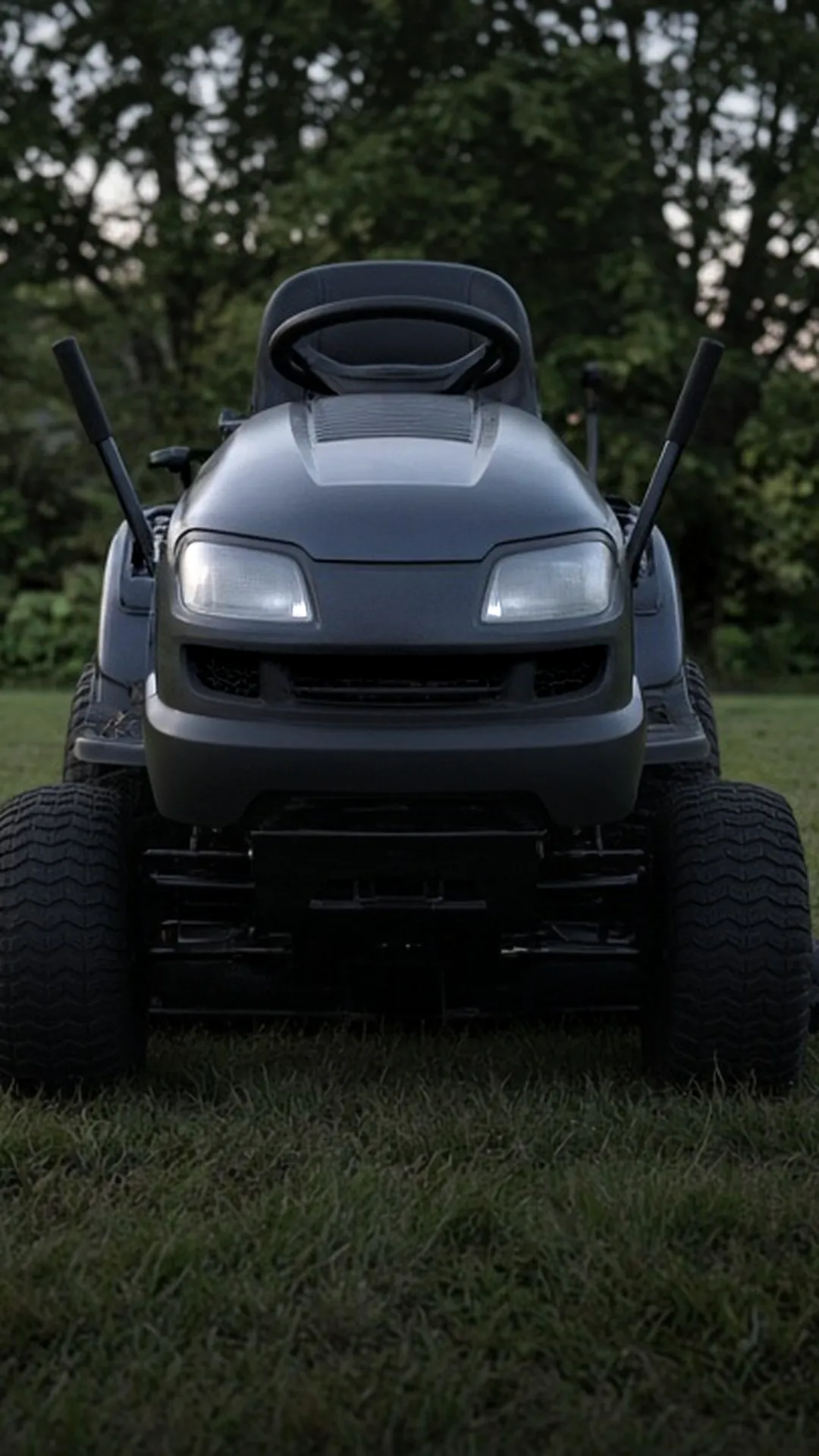
A lawn tractor is a riding mower steered with a steering wheel that turns its front wheels, with the mowing deck under the machine. Ohio State University Extension says riding mowers are "best suited for larger lawns where their size and maneuverability can be accommodated". Our riding mowers guide covers the type in full.
How does a zero-turn mower steer?
A zero-turn mower steers by driving its left and right drive wheels at different speeds. The CPSC says "A zero turn radius mower can rotate 180 degrees and move away on the same path that it came in on." It says "This enables homeowners to mow close to landscaping and buildings."
Which one is better on slopes?
We found no neutral source that ranks the two on slopes, so we do not. The rules the sources give apply to both. The CPSC says to drive a riding mower up and down a slope, not across it. OSHA writes this guidance for employers and workers, and it says the guidelines are based on principles from Cal/OSHA, a lawn and garden equipment industry trade association, and a Canadian workplace safety agency. We quote only OSHA's own sentences. OSHA says "Do not operate mowers on slopes that exceed the angle limits specified by the manufacturer." It says to "Avoid mowing on slopes with an angle of over 15 degrees if there is no other information available."
OSHA also says to keep the drive wheels at least five feet from unprotected edges of retaining walls, embankments, ditches, and similar drops, and to mow those strips with a string trimmer or a push mower. It says to avoid sudden starts, stops, or turns on a slope.
What about rollover protection?
OSHA says some riding mowers are designed to be fitted with a rollover protective structure, called ROPS, and that "Mowers with a ROPS should also be equipped with a seat belt." It says a foldable ROPS may be lowered only where there is not enough clearance for it, that the seat belt should not be worn while it is down, and that it should be raised again as soon as clearance allows. Your manual says whether your mower has a ROPS and how to use it.
What rules apply to both?
No passengers. OSHA says "Riding mowers are one-person machines." The AAP says never to let a child ride as a passenger on a riding mower. It says that, in general, children should be at least "16 years of age to operate a ride-on or riding lawn mower safely."
OSHA says that after you turn the mower off, you should set the brake, take out the key, and wait until all moving parts stop before you get off, and never to leave a mower unattended on a slope. It says to be alert when backing up. Our mower safety guide covers the rest.
Which one fits your lawn?
Ohio State says the right mower depends on lawn size, your experience, and what you prefer. Ask these questions before you compare models:
- How many beds, trees, and edges does the lawn have to mow around?
- Are there slopes, and what angle limits does each manual give?
- Are there walls, ditches, or water near the mowing area?
- Will you tow a cart or use attachments? Check what each manual allows.
- Will the machine fit through your gate and in your storage space?
Our deck size guide covers cutting width and fit.
Sources: Ohio State University Extension, Power Lawn Mowers; CPSC, Riding Lawnmower Fact Sheet (Publication 588, PDF, 2007, revised 2015); CPSC, Power Lawn Mowers (Publication 5126, PDF); OSHA, Dangers of Roll-Overs of Riding Mowers; American Academy of Pediatrics, HealthyChildren.org, Lawn Mower Safety: Information for Families.
FAQ
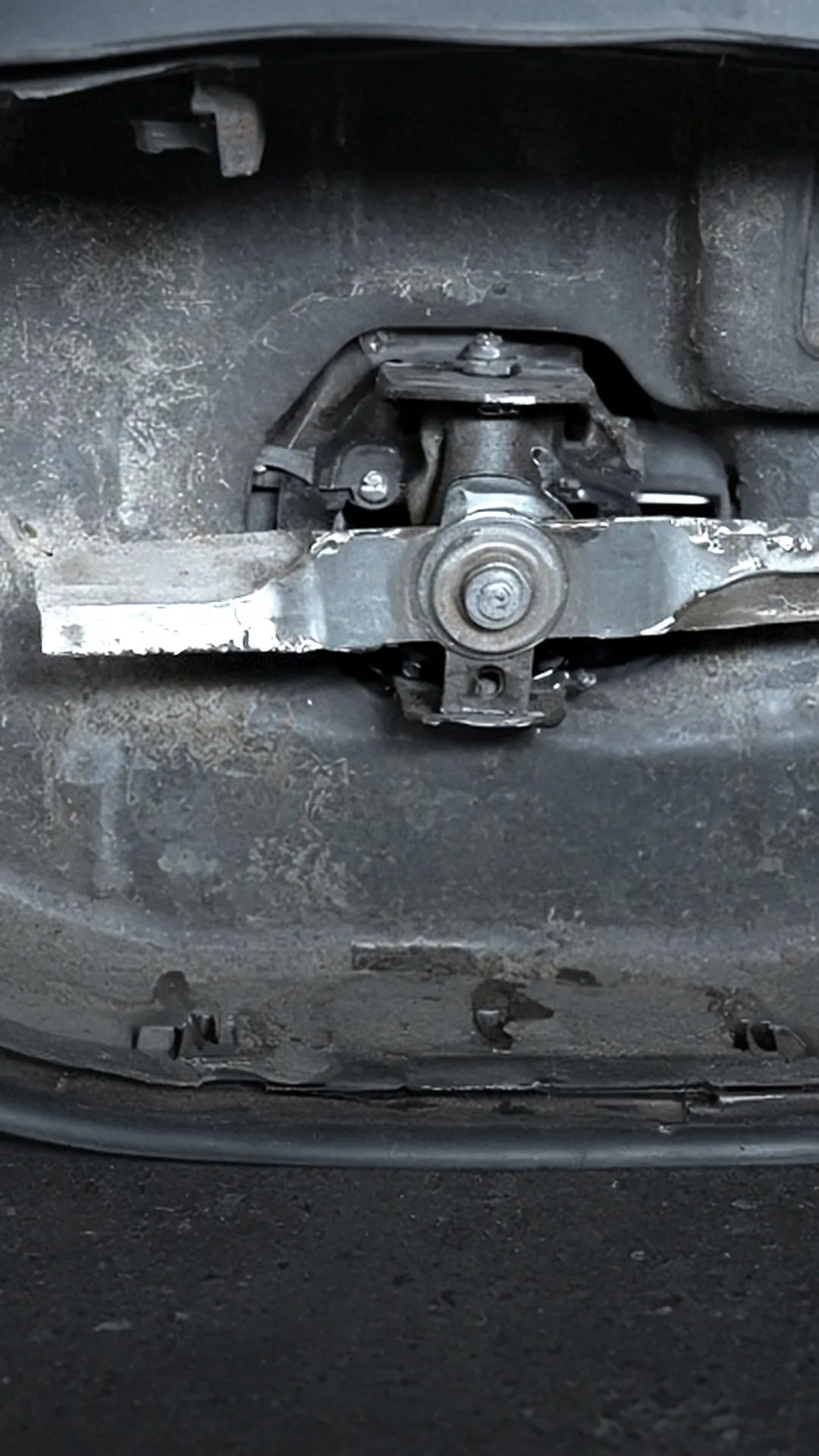
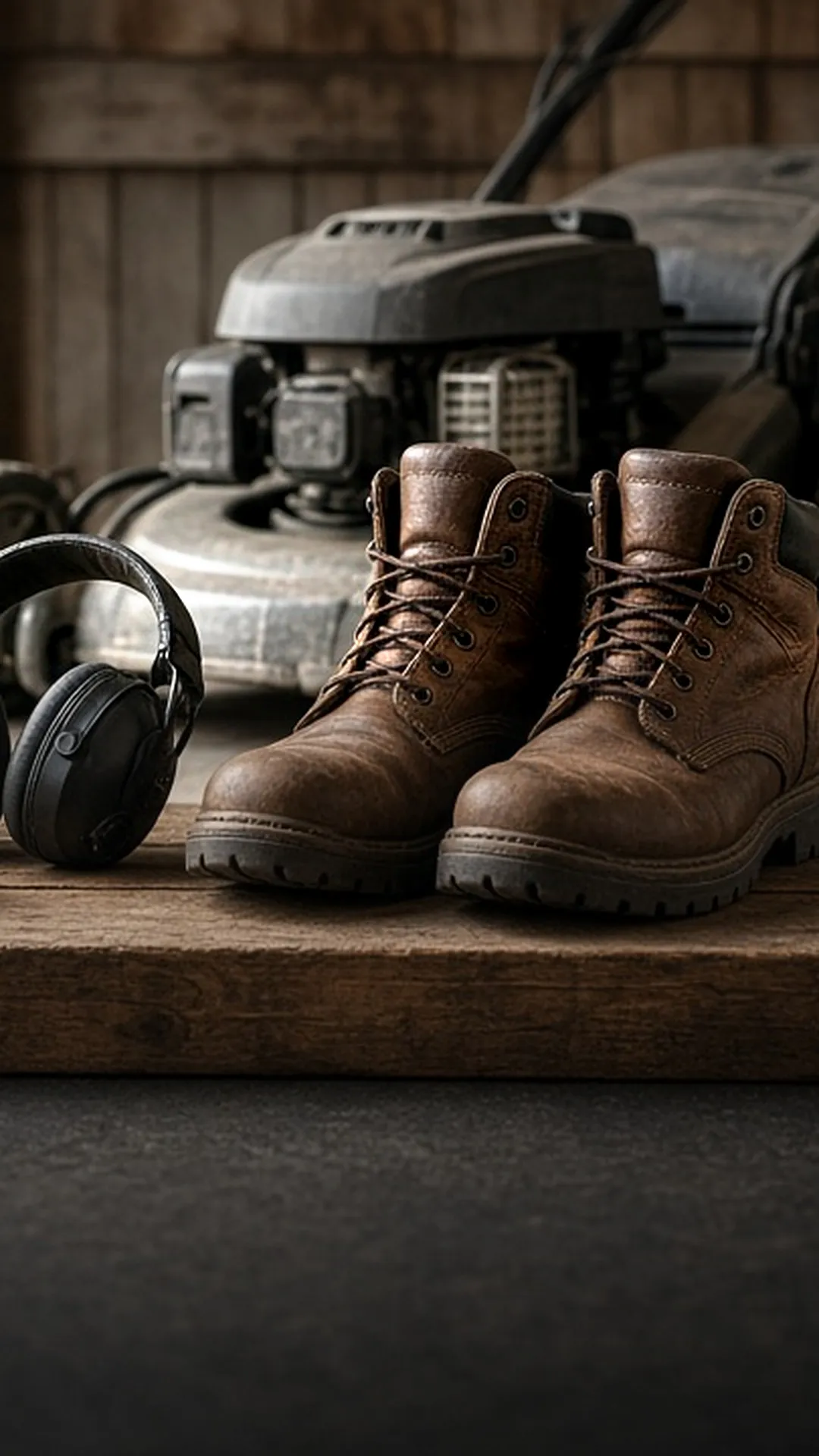
General information only. Read the operator's manual before you mow. Keep children and pets indoors or well away from the area you mow, and never let a child ride on a mower as a passenger. The American Academy of Pediatrics says that, in general, children should be at least 12 years old to operate a walk-behind power mower safely and at least 16 to operate a riding mower safely. Before you clear, adjust, or service the blade area, turn the mower off, wait for the blade to stop, and disconnect the spark plug wire; on a battery or corded electric mower, follow the manual to disconnect its power. Refuel outdoors, only with the engine off and cool. Wear sturdy closed-toe shoes and eye and hearing protection. In an emergency, call 911.
More on riding mowers
Seats, slopes, no passengers.
